

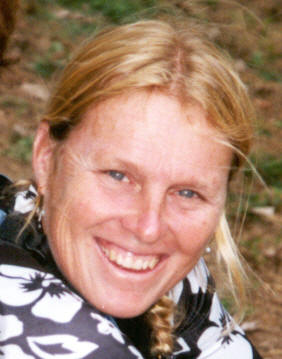
Congratulations to Cathy Hearn
USA Canoe Kayak National Team Coach
May 4, 2005
I had a few moments to sit down and speak with my sister-in-law Cathy Hearn, new USA Canoe Kayak National Team Coach at the Junior Team Trials in North Carolina.
Jennifer Hearn: Congratulations on being selected as the new Whitewater Slalom National Team Coach! Can you tell me what the most exciting part of your coaching job might be?
Cathy Hearn: Thanks a lot. I grew up in the sport in this country and it has been my life’s ambition to coach for the USA. I started out paddling canoes in this sport. It’s just fantastic to continue my coaching career here in the USA. This is a huge opportunity for me and the whitewater slalom program.
J: What do you think the biggest challenge of this coaching position is?
C: The USA is a huge country. There are limited resources in amateur sport.
J: How about the best opportunities for whitewater slalom?
C: The USA is a huge country and we have many diverse resources. For example, we have a great number of volunteers and there are a lot of people willing to help out at races like the Junior Team Trials, and willing to help the athletes in their preparation. America has a big tradition of community support which is great.
J: What are you working on now?
C: My first action is to get to know the athletes and their needs at and near the National Team level. Find out who is in the pipe-line and who is coming up in the sport. Support the athletes that are going to the US Team Trials.
J: While we are on the subject, do you have any tips regarding the Durango Team Trials on June 10-12?
C: Yes, prepare for big water at high altitude. Anticipate hot sun, and cold, powerful water. Make sure you have a properly fitted sprayskirt that won’t pop. Have a bomb proof roll, and if you don’t, get some air bags in your race boat. Make sure you are paddling a strong boat with good walls. Arrive early to get use to the elevation and the big whitewater of the Animas River.
J: Are there plans for any training camps?
C: I am collaborating with Silvan (Poberaj, USA Canoe Kayak National Team Head Coach) for some pre-European training camps. After Trials, my number one priority is meeting the needs of the athletes competing in the World Championships, World Cups, and Pan American Championships. Ongoing, I will put emphasis on supporting and cultivating our domestic coaches who are developing the athletes who will be our future National Team stars.
FYI, the Races:
Athens, Greece (2004 Olympic Course) ~ World Cup #1, July 8-10
Augsburg, Germany (1972 Olympic Course) ~ World Cup #2, July 15-17
La Seu d'Urgell, Spain (1992 Olympic Course) ~ World Cup #3, July 22-24
Prague, Czech Republic ~ Pre-World Championships, July 29-31
Pan American Championships held in conjunction with the National Championships
Kern River, Miracle Hot Springs, Bakersfield, CA, August 26-28
World Championships
Penrith Whitewater Stadium, Australia (2000 Olympic Course)
September 28-October 2
C: The Pan American Championships are a great opportunity for more people to get a world-class race under their belts. (Each country may be able to field a team up to 6 boats in each class.) The Pan Ams in most sports are thought to be a real big deal. For many sports they are viewed as a stepping stone to the Olympic Games. The Pan Ams will allow our racers to get world-class racing experience at home in this country.
J: Can you talk a bit about this being the year following the Athens Olympic Games?
C: I see the post-Olympic year essentially as a developmental year. Think of it sort of like doing endurance training to help build your fitness base. This year is a great time for people who are still hungry and training hard to get a jump on others who may still be deciding if they are going to go for it, or who may be having a low-key year to recover from the stress of the Olympic year. Training for the Olympic Games is a major commitment.
J: What else are you excited about?
C: Coach development; coaching coaches.
J: Can you share some insight from your recent Olympic coaching experience?
C: I have 30 years experience of actively coaching while also being an elite athlete. My player-coaching began in 1975 with the Canoe Cruisers Association C-CATS summer training program for kids. Recently, I have been an Italian National Team Coach for the past two years. I worked closely with the Italian Olympic Team including the C2 Team that placed 6th in the Athens Olympic Games. The most striking thing that I have learned in the past two years is how constructive it is to address the individual needs of the athletes in order to maximize their strengths while meeting their needs.
J: Can you explain what you mean by meeting their needs?
C: Everything, their physiological, psychological, and monetary needs, if at all possible.
J: Is there anything else you would like to share about coaching at the 2004 Olympic Games?
C: My biggest impression of the Olympic Games was the strength and unity of the international community. Even though the Olympics can be a cut throat competition, at the core of whitewater sport is a very powerful and impressive sense of community with the clear expectation of excellence. Our international slalom community has great hunger and the highest respect for excellence in performance. I am looking forward to working with the whitewater athletes across the country who strive for and demonstrate this, one of the best things about whitewater racing.
J: Thank you for taking the time to share your story with daveyhearn.com, and best of luck in your new USACK National Coach position.
C: Thank you!
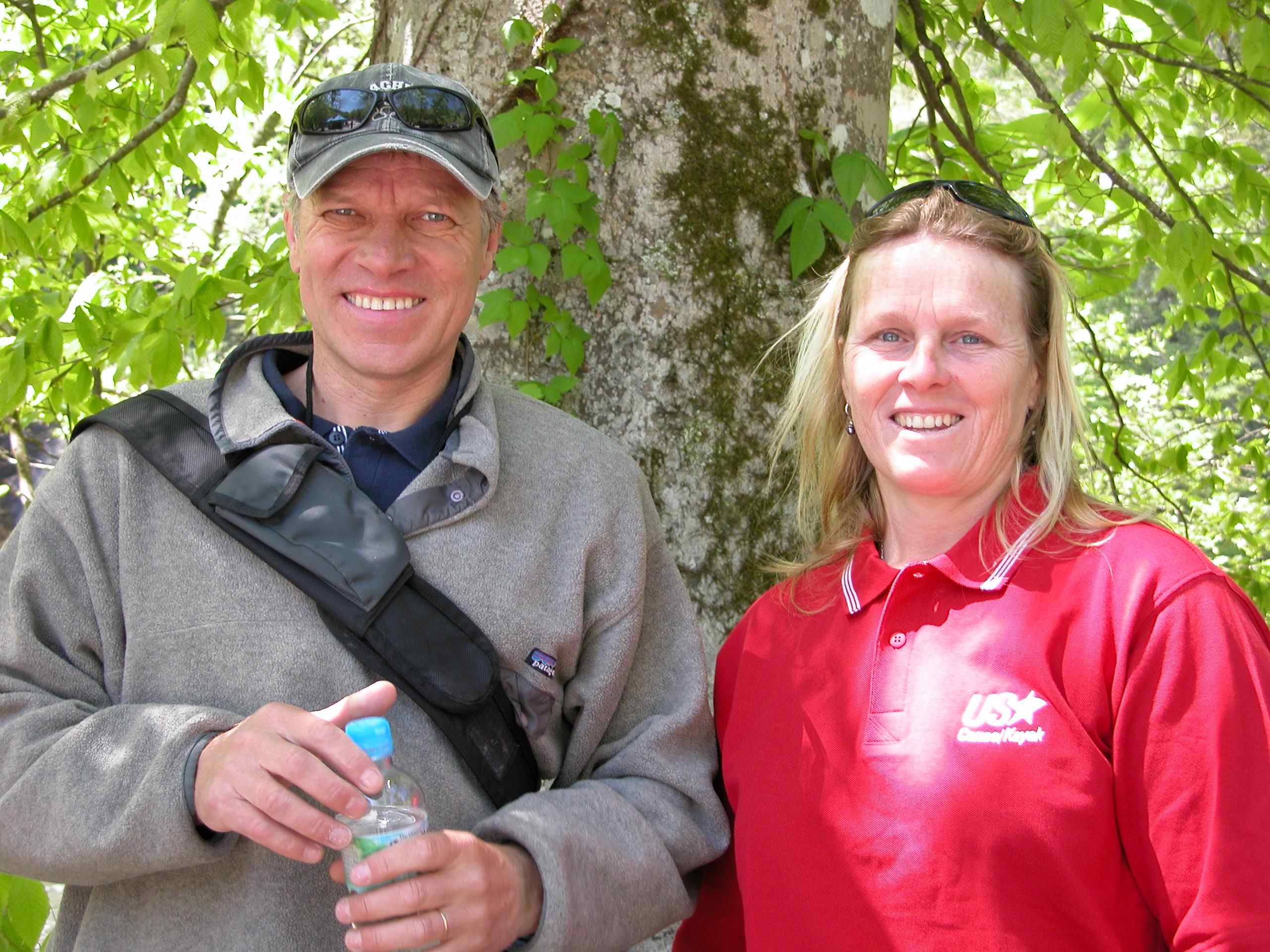
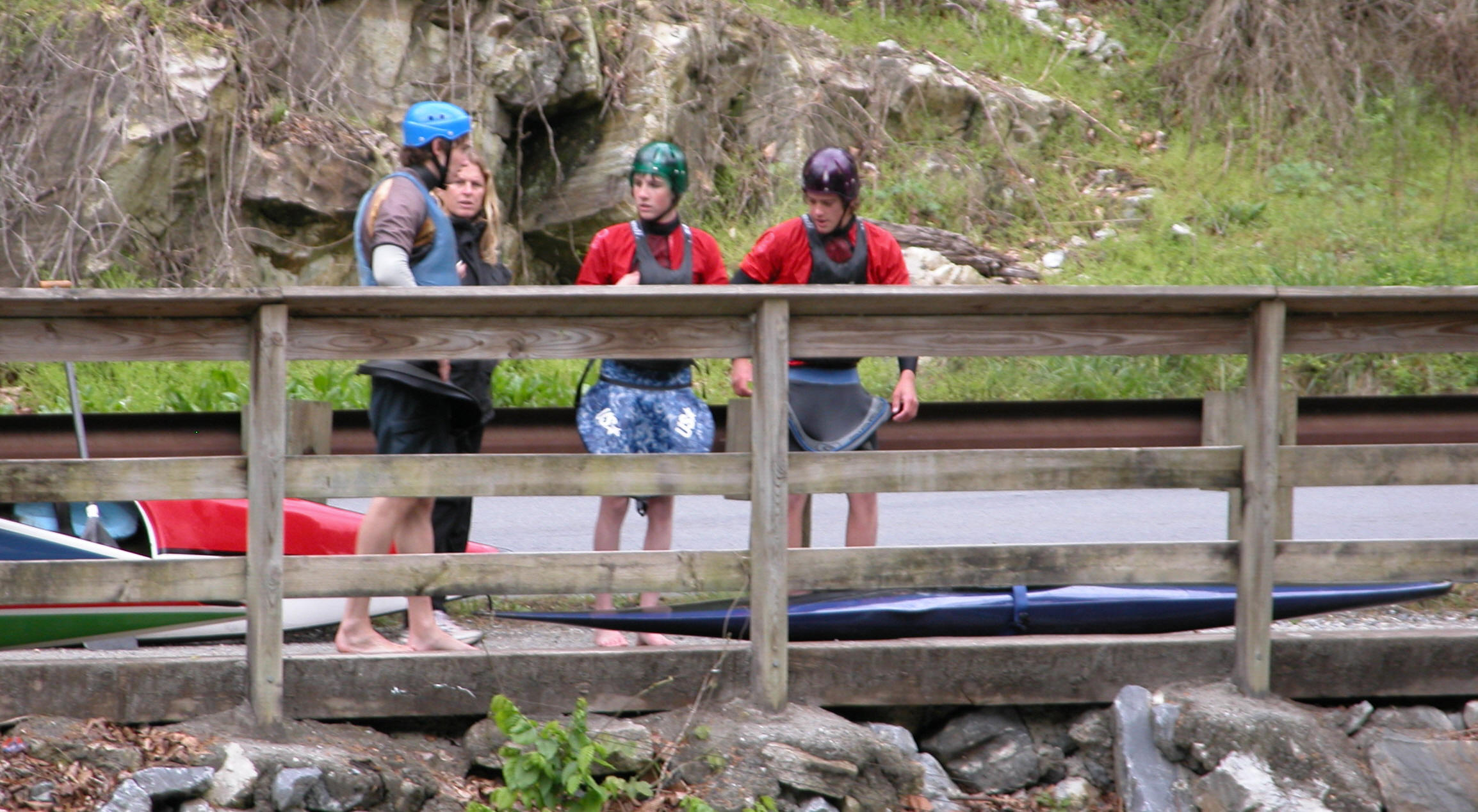
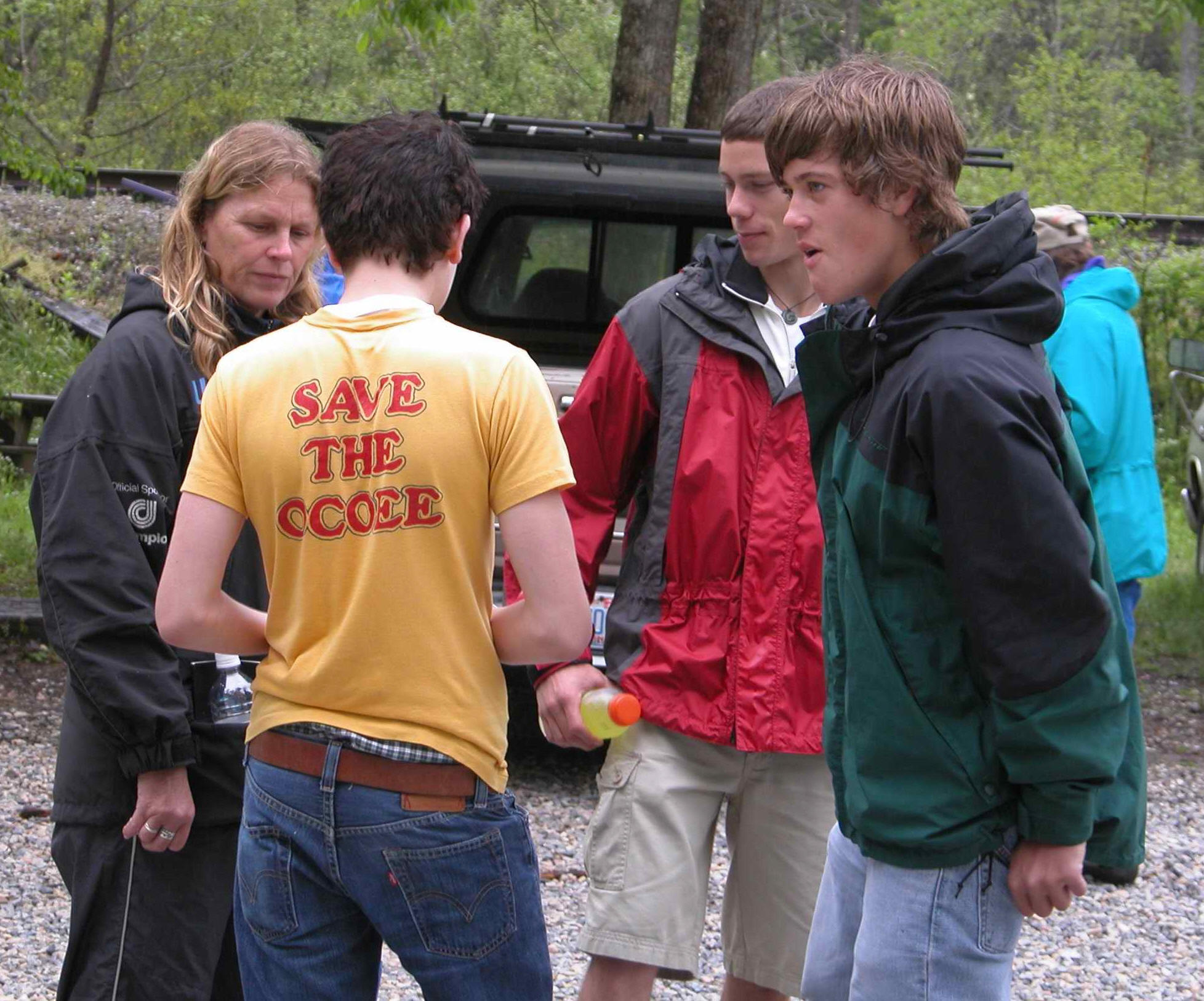
Cathy Hearn's extraordinary racing and coaching bio
USA Canoe Kayak's Cathy Hearn press release
